
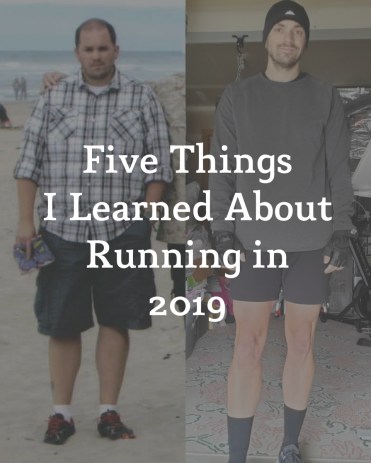
I used to hate running. A few minutes in and ready to quit. Gasping for air. Joints and feet aching. Muscles sore. Energy levels low. Could not go for more than a couple minutes without slowing to a walk or stopping all together. What a dreadful activity.
In 2019 I challenged myself to run again. I started around summer running both in and out doors. The air conditioning at my local gym kept me cool as I glided like a gazelle on the treadmill. Then I pounded the pavement across my city and found a park I’ve come to love with a .75 mile trail.
When I started running in 2019 I thought it was difficult. Lots of starting and stopping. Upwards of 12 minutes spent for 1 mile of distance traveled. This wasn’t too much faster than the 16 minute “brisk” walking pace I had mastered in 2018. It seemed like a lot more effort for only a slightly better mile time and I recall feeling like I wanted to quit every time I went out to run.
But as the summer progressed so did my time culminating in a 7:xx to 8:00 minute mile pace this winter along with a deeper appreciation for running in general. How did I manage to shave off 4 to 5 minutes and go from hating it to not-minding-it in a short period of time? I put together a short list of helpful things I learned that answer that question.
1) Running is an activity that is hard, but gets easier. When I got back into it in 2019 I started with a realistic goal. I wanted to run one mile without stopping. My friend Dawn — who is an expert at running — suggested I aim for increasing my distance by around 10 percent each run, a strategy that worked well for me. When I first started I could barely make it 1/4 mile before slowing to a walk to catch my breath. But I stuck with it, going out every other day, challenging myself.
Before I knew it I was going 1/2 mile without slowing, and then 2/3 mile, and then a full mile without slowing. The increases in distance came gradually with practice as well as the decreases in mile times. Running became easier and before I knew it I managed to shave minutes off of my mile time. The secret was sticking with it. Going out several times each week practicing, trying to get better.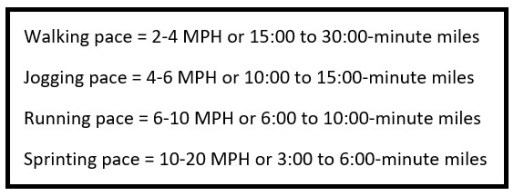 You may want to start walking the mile, and then a combination of walking and jogging. Before you know it you will be running the mile without stopping. It gets easier.
2) Use data to improve. In 2019 I treated myself to a Garmin Instinct GPS watch (Instinct) matched with a Garmin EKG chest strap heart rate monitor. These two products provide me with quite a bit of data. I know how far I traveled because of the GPS and have an accurate idea of my heart rate which is important when doing cardio. Knowing average heart rate, max heart rate and being presented with a detailed graph with all heart rate data gives a person quite a bit on insight into how hard they worked for that run. You can challenge yourself to go faster (or slower) the next time around.
The Instinct also collects cadence, that is how many steps per minute (ideal running cadence being between 160 and 180 steps per minute). When I started running I learned my cadence was too low. I was raising my feet too high off the ground. That put added force on my knees, ankles, and other joints and contributed to slower mile times (and some knee pain).
The Instinct also collects elevation data in case you’re running where it isn’t flat. I love this feature for hiking. It also works great on the treadmill, elliptical, rowing machines, strength training workouts, hikes and can even be used to track swimming. I obsess over my data and use it to get better. I credit the Instinct as being one of the main contributors to going from a 12 minute to an >8 minute mile. The Garmin app syncs with Myfitnesspal, my preferred nutrition tracker. This combined data can prove useful if you have weight loss goals.
3) Pay attention to your body. It is normal to feel sore after starting to run. I took one month off because of having the flu (that turned into a sinus infection) and when I went out for a run, I was sore the next day. It isn’t normal to have tremendous knee, ankle, foot, hip, heart, breathing, etc pain after running. That is your body telling you something is wrong. Running is an impact exercise and puts quite a bit of force on your joints. Think of your body weight and how it is coming down on your knee’s hundreds of times a minute while running.
Stretching before and after running is essential. Get those quads, hip flexors, glutes, calves and hamstrings stretched out. Hydration is critical for running, though I never enjoyed a run on a stomach filled with a gallon of water sloshing around. One tip I have is to drink a liter or two of water an hour or two before a run.
You may need to purchase some running shoes. You don’t have to buy $200 Nike’s designed for College level competing runners. $50 Nike’s may work fine if they’re a running shoe that fits you. I love to run in tight fitting clothes so I can focus on running as opposed to pulling my pants up or looking for my phone in a pocket.
4) Aim to improve in three months. Three months is a realistic timeline to make strides in your running performance. I committed myself to run at least three times each week with one day of rest minimum between runs. However, I was not sedentary on my days off. I often did low impact cardio on my days off from running. I did Hiit workouts with a heavy bag, 2K sprints on a rowing machine, tons of body weight exercises such as push-ups, pull-ups, planks, sit-ups, squats and lunges along with a variety of barbell and cable machine workouts.
I realize the average person won’t commit to ten or more workouts a week. But you may be surprised what you can accomplish in three months time if you do. Strength training and low impact cardio will reflect in your running performance. More powerful leg muscles equate to more force every time your foot presses against the ground while running. Even if you don’t want to do anything other than running you should see improvement within three months if you stick with it. It gets quite a bit easier within three months and I suspect your opinion of running will change too. It won’t be that activity you dread when you’ve shed minutes off of your mile time in such a short period of time.
5) Have fun with it. Life is too short to be miserable. I found running outdoors to be a lot more rewarding than indoors on the treadmill. The beautiful thing about running outdoors is that you can do it basically anywhere you go. On vacation ? A run is a great way to explore a city and get familiar with what it has to offer. Run with a friend. It has been shown that people often run faster and further when running with a friend. Challenge yourself. Sometimes I challenge my kids to run. Just the other day we ran home from their school, roughly .5 mile from our house.
I had given up on running until 2019. Now I look forward to signing off from this article and heading out for a run. It was hard to get back into it. It took willpower to head out a few times a week. But before I knew it that 12 minute mile became an 8 minute mile. I proved to myself that I could do it. You can too.
 The Religious Nerd